

toughened safety glass
In today’s fast-paced industrial and municipal applications, the importance of reliable valve performance cannot be overstated. The soft seal gate valve has become a popular choice due to its exceptional sealing capabilities, corrosion resistance, and ease of operation. Whether for clean water, sewage systems, or low-pressure applications, this valve type ensures a leak-proof seal and long service life, making it an essential part of any pipeline system. Why the Soft Seal Gate Valve Is in High Demand The defining feature of the soft seal gate valve is its use of an elastic or rubberized sealing surface. Unlike traditional metal-to-metal sealing in standard gate valve designs, this type of valve offers a more flexible and secure seal, effectively eliminating leakage. Soft seal valves are especially suitable for: Municipal waterworks and drinking water systems Wastewater treatment plants Agricultural irrigation systems Firefighting pipelines These valves are valued for their resistance to corrosion, ease of maintenance, and excellent sealing under low pressure. Their robust structure and advanced sealing technology ensure that pipeline integrity is maintained even during frequent operation. Comparing with Other Gate Valve Types Among the various gate valve types , the soft seal gate valve stands out due to its improved performance in specific environments. While cast iron , flanged , and wedge-type gate valves are preferred in high-pressure or high-temperature conditions, the soft seal design excels in preventing water hammer effects and internal corrosion. When compared to other different types of gate valves , the soft seal version is lighter in weight, requires less torque to operate, and ensures a smoother closing process. This makes it not only practical but also economical over time. Ideal Applications for a 1 Flanged Gate Valve For smaller diameter pipelines, a 1 flanged gate valve is the perfect fit. It combines the compactness of a smaller size with the secure connection benefits of a flanged end. Flanged valves are easier to install and service, as they can be bolted on and removed without cutting the pipeline. Typical applications for a 1 flanged gate valve include: Local water distribution systems Small-scale industrial piping HVAC systems Its durable construction and precision seal make it a go-to option for installations where consistent flow control is necessary, and where leak prevention is a top priority. As industries seek smarter, more efficient solutions, the soft seal gate valve continues to gain recognition as a reliable and cost-effective option. Whether you're dealing with municipal water systems, agricultural flow control, or residential plumbing, choosing the right gate valve types —like a 1 flanged gate valve or soft seal gate valve —can significantly improve your system’s reliability and performance. With various gate valves for sale on the market, ensure you choose a reputable supplier offering products tested for long-term use and high sealing efficiency.
about
toughened safety glass
Show Me a Spirit Level When discussing precision in construction, carpentry, and various DIY projects, the importance of having the right tools cannot be overstated. One of the quintessential instruments that often comes to mind in this realm is the spirit level. This simple yet ingenious tool plays a critical role in ensuring that structures are built accurately and align perfectly. A spirit level, commonly referred to as a bubble level, is a tool used to indicate whether a surface is horizontal (level) or vertical (plumb). Its design typically includes a sealed tube containing a liquid, usually alcohol or a similar fluid, in which a small air bubble moves. The bubble's position within the liquid clearly indicates the orientation of the surface being measured. If the bubble is centered between the marked lines on the vial, the surface is level; if not, adjustments can be made accordingly. The origins of the spirit level can be traced back to ancient civilizations, but it was not until the 17th century that it took on a more recognizable form. The invention of the glass tube allowed for the first alcohol-filled levels that could provide more accurate readings. Now, with advancements in technology, digital spirit levels equipped with electronic sensors have emerged, making leveling tasks even more efficient and reliable. Why is using a spirit level crucial? The answer lies in the importance of accuracy in construction and design. Whether one is hanging a picture frame, installing cabinets, or constructing a building, achieving the right alignment is vital. A structure that is not level can lead to a cascade of problems, including water drainage issues, aesthetic discrepancies, and in severe cases, structural failures. For instance, a roof that is not level may suffer from uneven water accumulation, leading to leaks and decay over time. Using a spirit level is not only beneficial for professionals but also for any individual engaged in DIY projects. The tool transforms the often daunting task of home improvement into a manageable and enjoyable activity. When embarking on a project such as building a deck or installing shelves, having a spirit level on hand allows for confidence in the results. It is an essential instrument that can make a novice look like a seasoned craftsman. However, using a spirit level effectively requires some understanding and practice . Here are some tips for achieving the best results show me a spirit level 1. Choose the right type Depending on the nature of your project, choose from various spirit levels available in the market — ranging from small torpedo levels for tight spaces to larger levels for bigger projects. 2. Check for damage Before you begin, inspect the spirit level for any signs of damage. A cracked or broken level may yield inaccurate readings. 3. Use on a flat surface Ensure that the surface on which you place the level is clean and flat. Debris or inconsistently textured surfaces can lead to errors. 4. Be mindful of the environment Factors like temperature can affect the liquid in the level, causing expansion or contraction. Ideally, use the level in a controlled environment. 5. Double-check It's wise to check the level from multiple angles. For vertical surfaces, you can use the level to check from the left and right sides to confirm it is indeed plumb. In conclusion, the spirit level is more than just a simple tool; it is an emblem of accuracy and craftsmanship. In a world that often prioritizes speed over precision, the spirit level serves as a reminder that taking the time to ensure things are done correctly pays off in the long run. Whether you are a seasoned contractor or an enthusiastic DIYer, incorporating a spirit level into your toolkit can elevate the quality of your work. So, the next time you take on a project, don't forget to reach for your spirit level — it's the unsung hero of many successful builds. Show me a spirit level, and I will show you the foundation of quality craftsmanship.
-

High quality industrial productsagement

High quality industrial products
View Details -

Meet the diverse needs of customers

Meet the diverse needs of customers
View Details -

Strict quality control

Strict quality control
View Details -

Top raw materials

Top raw materials
View Details -

Trusted supplier

Trusted supplier
View Details
Our application
news and information
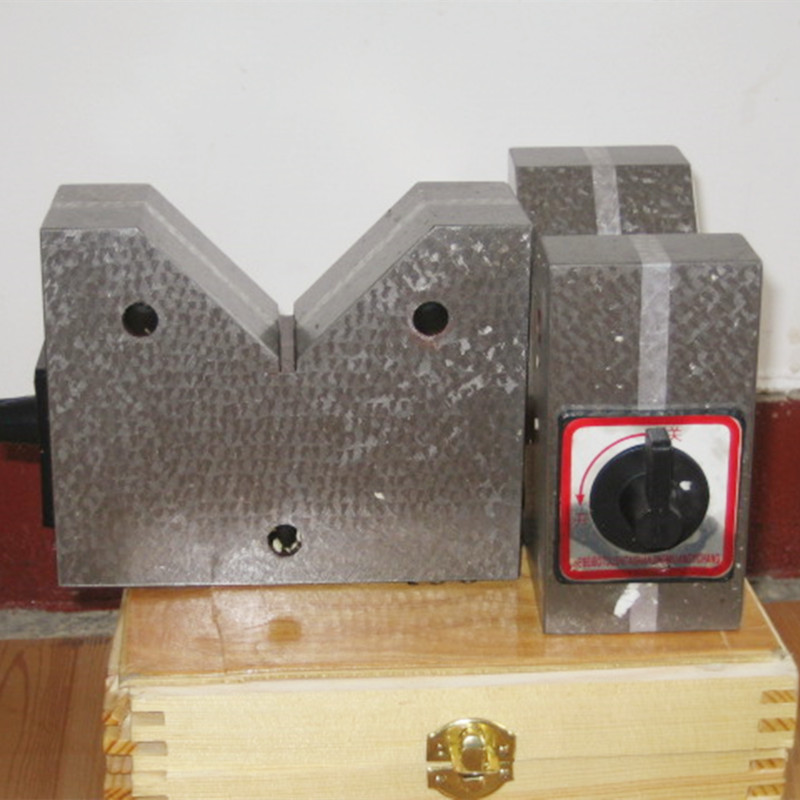
What are the Main Application Areas of Butterfly Valves
Butterfly valves , as an important industrial valve, have a wide and diverse range of applications.
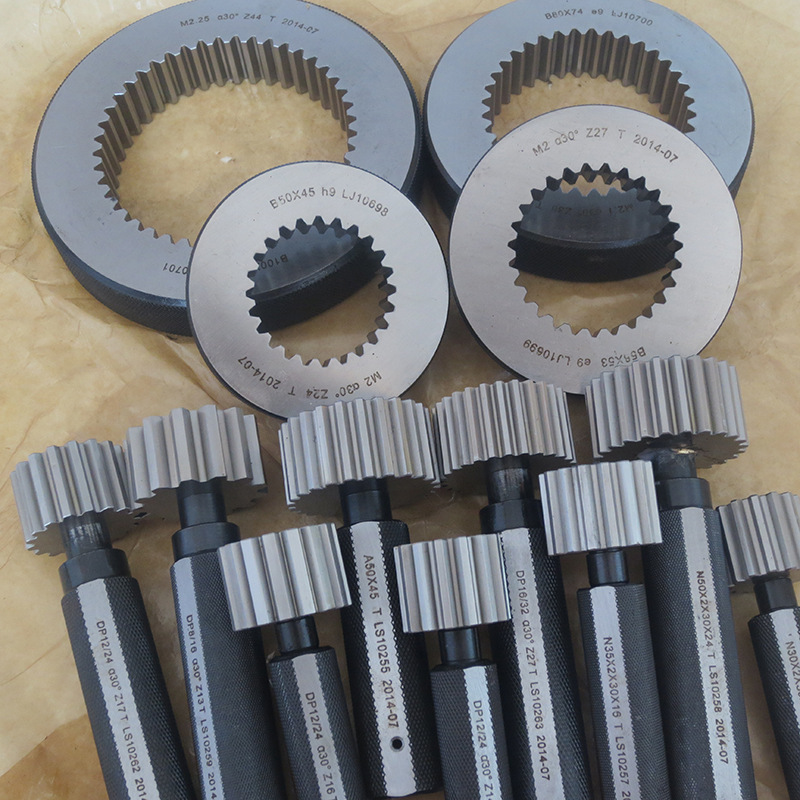
Water Shutoff Valve Operation and Maintenance Guide for Homeowners and Professionals
Understanding Water Valve Shutoff Importance and Procedures Water valve shutoff is a critical compon
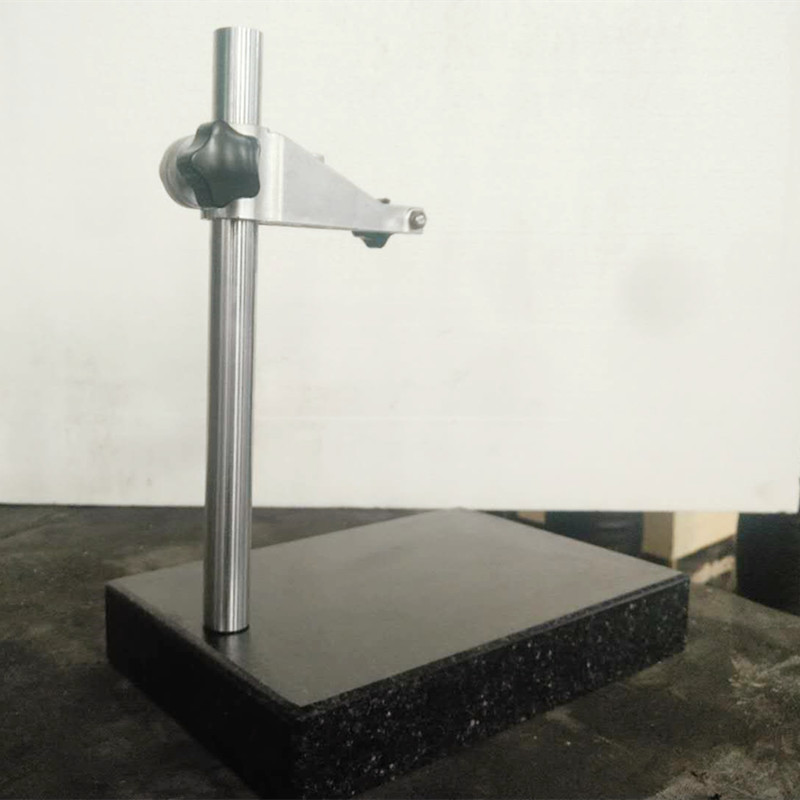
Valve Manufacturing Process and Innovative Techniques for Enhanced Performance
The Evolution and Importance of Valve Factories in Modern Industry Valve factories play a crucial ro
 English